
Since when did being in the audience at a rock, country or metal performance become a noisy lounge atmosphere where mindless chatter replaces the focus on the performance and appreciating why you came there in the first place?
This past March (2025) I was in the audience for a solo acoustic performance by Trey Anastasio, lead guitarist and vocalist for Phish. The setting was the Gaillard Auditorium in Charleston, SC. The facility was built for such an intimate performance to an audience of less than 2000 fans. The acoustics are great for orchestras, Théâtre performances and intimate shows like the one we saw. What nearly ruined the evening was a run in with a loud and obnoxious patron who insisted in carrying on a non-stop conversation, oblivious to the amazing show Trey was delivering. I was far enough removed that I didn’t hear it but one member of our group was and confronted the patron.
Of course, they didn’t recognize that they were negatively affecting other people’s ability to enjoy the show. Nor did they appear to be concerned that good money was spent for tickets and drinks. And, shockingly, they didn’t apologize. Instead, they decided to take it up a notch and let my friend have a piece of what might be their mind.
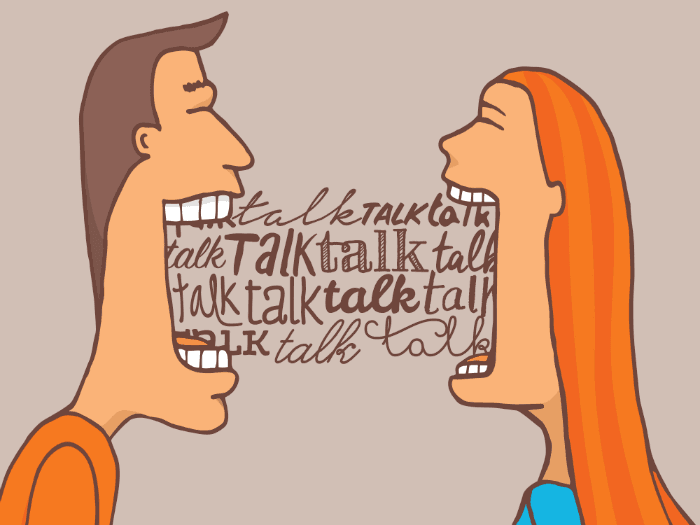
I describe the above illustration to ask what is going on in audiences, small and large? I am not alone in my frustration regarding the behavior of the audiences that I have witnessed in the last 10 to 20 years. Rather than focusing on the reason we are there, so many in the audience are
talking, oblivious to the artist on stage. It doesn’t matter if we are in a small club or a 20,000-seat indoor facility, people all around are talking to others and ignoring the performance. Why don’t they go to a bar where a jukebox is playing, instead?
Why do people insist on talking during a performance? Not being a psychologist, I’m unsure how to fully answer that question. Is it an age issue? Let’s dig a bit and see what we can figure out.
Artists know all too well that many in the audience are distracted and not giving their full attention to what is going on at the stage. I’ve experienced numerous instances where an artist implores the audience to pay more attention to what’s happening on the stage and ignore those around them or what’s on their phone.
As today’s prices for concert tickets continue to rise, you would think that people would pay more attention to the artist that they have laid down good money to see. My experience is that this doesn’t seem to affect many in the audience. Do most of the chattering crowd buy their own tickets or is someone else footing the bill? How many have some “skin in the game”?
Have concerts become more of a social setting and not a special occasion to witness musical genius? Do many of the audience have enough knowledge of an artist’s body of work to maintain their attention on the main event? In some situations, could it be that they are all too familiar with the artists’ performance and therefore treat the show as background noise for the more important personal interaction? Is there a cultural or generational difference that clouds peoples’ actions and make them oblivious to what is going on around them?
Blocking out the noise is a tough task. I find it frustrating to hear people competing with the artists we are there to see. How do you get people to be respectful of you for the reason we are all there? If you have some good, proven suggestions, we’re all ears…for now.
#shutupandlisten #treyanastasio #gaillardauditorium #doyoubelieveinmagic
 Do You Believe in Magic